
Private Dog Training for Peoria, AZ
Good dog training is not about forcing perfect behavior. It is about helping dogs and owners understand one another through clear cues, consistent routines, and rewards that make learning worthwhile.
Gooddog Dog Training LLC provides in-home private dog training for families throughout Peoria and nearby West Valley communities. We bring personalized guidance into the environment where many everyday behaviors happen: the home.
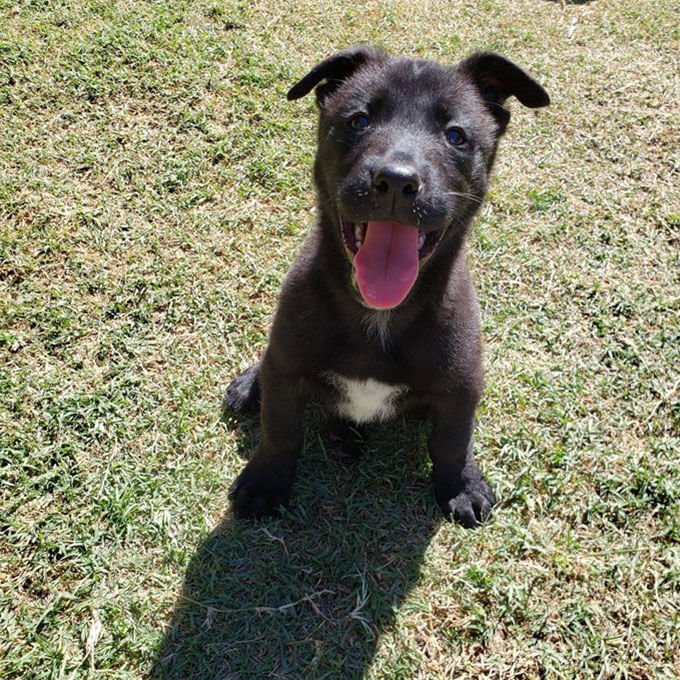
What Does In-Home Dog Training Look Like?
Every household has different routines and challenges. One family may need help with puppy training and potty habits, while another may be dealing with jumping, barking, leash pulling, food stealing, or difficulty settling.
In-home dog training allows these behaviors to be observed where they usually happen. Gooddog Dog Training LLC provides private lessons for dog owners throughout Peoria, helping families build practical routines that fit everyday life. Sessions generally last about 60 minutes and include active owner participation.
Why Can Private Dog Training Be Helpful?
Dogs learn at different speeds based on their age, experiences, energy level, environment, and household routine. Private dog training allows the trainer to focus on one dog, observe possible triggers, and adjust the learning process as needed.
Private lessons also help everyone in the household use the same cues and expectations. Consistent language and timing make it easier for the dog to understand which behaviors are being encouraged.

How Does Reward-Based Dog Training Support Learning?
Reward-based dog training reinforces behaviors owners want to see again. Rewards may include food, praise, toys, play, or access to a favorite activity.
A dog might be rewarded for keeping four paws on the floor when visitors arrive, entering a crate calmly, or checking in with the owner before pulling on the leash. This approach combines clear boundaries with positive reinforcement rather than fear or intimidation.
The American Veterinary Society of Animal Behavior recommends reward-based training methods because aversive techniques may affect canine welfare and the dog-owner relationship.
What Should Puppy Training Cover First?
Puppy training begins with simple, everyday foundations. Puppies are learning where to rest, where to go potty, what they can chew, how to respond to their names, and how to settle around household activity.
Early goals may include:
- Responding to a name
- Following simple cues
- Developing potty habits
- Walking with less leash tension
- Greeting people without jumping
- Resting calmly in a crate
Several short practice periods are often easier for puppies than one long session. Owners can work cues into meals, play, walks, and doorway routines.
The goal of puppy training is not to rush through a checklist. It is to establish communication and dependable routines that can continue as the dog grows.

How Can Dog Crate Training Build a Routine?
Dog crate training can give puppies and adult dogs a comfortable, predictable place to rest. The crate should be introduced gradually and paired with positive experiences.
Owners can use food, toys, praise, and rest to help the dog form a positive association with the space. Begin with short periods while remaining nearby, then slowly increase the time and distance.
Dog crate training may support potty routines, nighttime structure, calm rest, and safe household management. Crate time should always be balanced with exercise, interaction, potty breaks, and time outside the crate.


Which Everyday Behaviors Can Dog Training Address?
Dog training can help owners work through common concerns such as:
- Jumping on visitors
- Pulling during walks
- Barking at doors or windows
- Stealing food
- Chewing household items
- Ignoring familiar cues
- Potty accidents
- Difficulty settling
- Resistance to entering a crate
It helps to describe a behavior clearly. “My dog does not listen” is broad, while “my dog turns away when called in the backyard” gives the owner and trainer a specific situation to observe.
Progress may happen gradually. A dog might begin checking in more often during walks, recovering faster after distractions, or settling for longer periods before the entire behavior is reliable.
Did You Know Peoria Has Six Dog Parks?
Peoria lists six dog parks among its community amenities. This local figure highlights the value of leash skills, owner attention, and reliable communication around outdoor distractions.
New cues are usually easier to teach in a quiet environment before adding movement, unfamiliar people, and other dogs. A family may begin practicing indoors, move to the backyard, continue on a quiet street, and later practice near a park from a manageable distance.
During warmer Arizona months, indoor sessions also allow Peoria dog owners to continue practicing without depending on extended outdoor training.


What Happens During a Private Dog Training Session?
A private lesson begins with conversation and observation. The trainer learns when the behavior occurs, what the owner has already tried, and what realistic progress would look like.
A session may include practicing reward timing, improving leash handling, introducing a cue, adjusting the home setup, organizing a dog crate training routine, or recognizing when the dog is becoming distracted.
Owner participation is important because the family will continue practicing during meals, walks, visitor arrivals, and other daily activities. Sessions may focus on puppy training, crate routines, calmer greetings, settling, leash skills, or other household concerns.
How Can Owners Practice Between Sessions?
Consistency does not require practicing all day. It means using similar cues and responses when the same situation occurs.
A weekly plan may focus on one or two goals, such as entering the crate calmly, waiting at the door, or responding to a name. Clear, narrow goals make progress easier to recognize.
Household management can also help. Keeping counters clear may reduce food stealing, while limiting access to a front window may prevent repeated barking as the dog learns a calmer response.
Family members should use the same cues, boundaries, and reward system. Dog training is more effective when teaching, repetition, reinforcement, and daily routines support one another.
When Should an Owner Contact a Certified Dog Trainer?
Owners do not need to wait until a behavior becomes overwhelming. A certified dog trainer may help when a family needs a clear plan, cannot identify what triggers a behavior, or wants guidance that fits its daily routine.
Private guidance can be useful for a new puppy, a recently adopted dog, an adult dog adjusting to a new environment, or a household working through inconsistent behavior.
Dani Chavez brings more than 40 years of experience working with animals and provides personalized, reward-based private dog training for families throughout Peoria, Surprise, Glendale, and nearby communities.
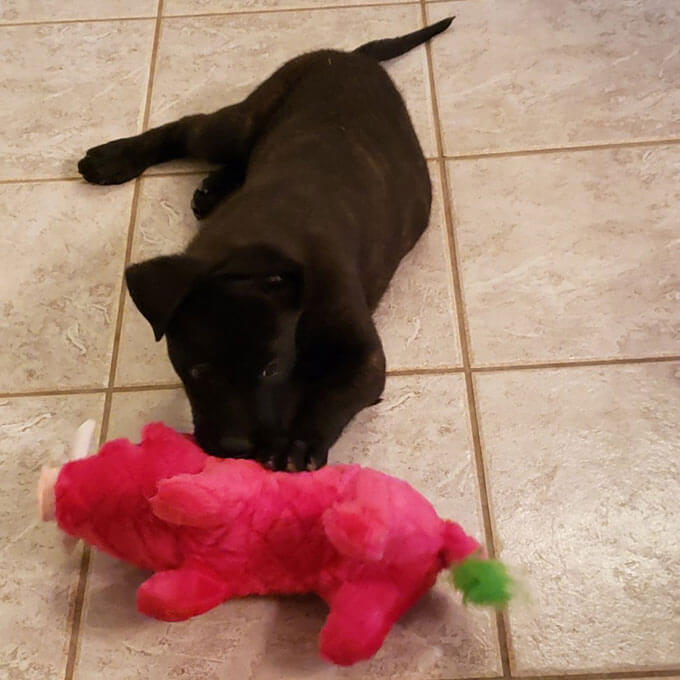
Benefits of Training

Teaches your dog desired manners & addresses problem behaviors.

Helps with communication & building a positive bond with your dog.

Allows you to include your dog in more indoor & outdoor activities.

Helps reduce your dog’s boredom with physical & mental stimulation.

100% Satisfied – If you’re not, we’ll work to make it right!


Schedule In-Home Dog Training in the Peoria Area
Clear communication, consistent cues, and realistic routines can make daily life easier for both dogs and their owners. Gooddog Dog Training LLC serves dog owners throughout Peoria with in-home sessions for puppy training, dog crate training, leash skills, foundational cues, and everyday behavior concerns. Call 623-888-6411 or contact us to schedule a private dog training lesson in the Peoria area.
Call us : 623-888-6411 or Contact Us
Frequently Asked Questions (FAQs)
Does Gooddog have a physical dog training location in Peoria?
Gooddog serves Peoria dog owners through in-home private lessons rather than operating this service as a Peoria storefront.
When should puppy training begin?
Owners can begin teaching simple routines and cues as soon as a puppy comes home, using brief and age-appropriate practice.
How long is a private dog training lesson?
Gooddog’s private lessons generally last around 60 minutes, depending on the dog’s needs and the goals being addressed.
Does the owner participate in the session?
Yes. Owners learn how to communicate clearly and continue practicing with their dogs between sessions.
Can private dog training help with leash pulling?
Private lessons can address reward timing, leash handling, owner attention, and gradual practice around distractions.
Is dog crate training only for puppies?
No. Puppies and adult dogs can learn to rest comfortably in a crate through a gradual and positive process.
Can training help with jumping on visitors?
Training can teach an alternative response, such as keeping four paws down or going to a designated place.
What rewards can be used during training?
Rewards may include food, praise, play, toys, movement, or access to an activity the dog enjoys.
How much practice is needed between private lessons?
Brief and consistent practice built into meals, walks, play, and home routines can be easier to maintain than occasional long sessions.
Does Gooddog serve areas beyond Peoria?
Gooddog provides private dog training for owners in Peoria, Surprise, Glendale, and nearby communities within its service area.
